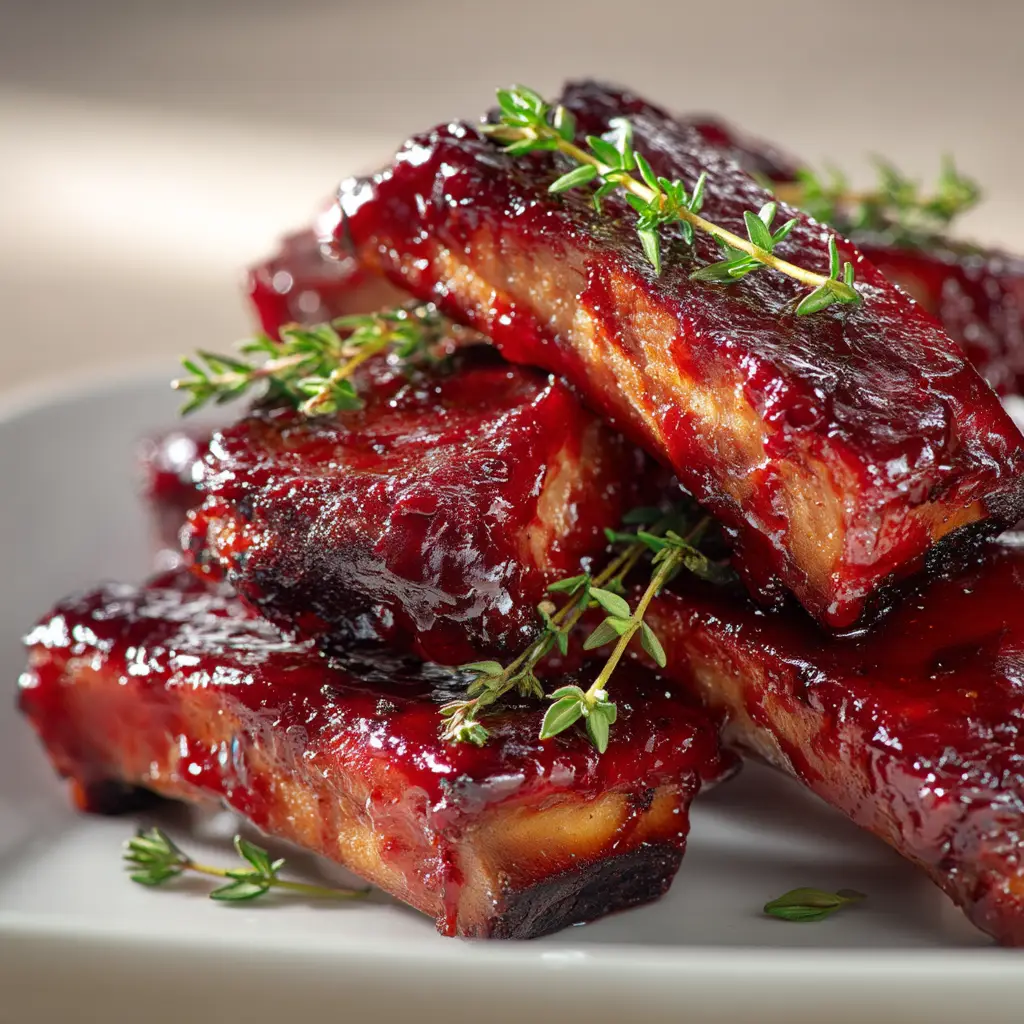
Easy Oven Roasted Country Style Ribs: Low & Slow for Perfection
Tired of dry, tough pork that promised "fall-off-the-bone" but delivered "chewy-as-leather"? If you've been on a quest for truly tender, succulent pork that practically melts in your mouth, your search ends here. Oven roasted country style pork ribs are a revelation, transforming an often-misunderstood cut into an unbelievably juicy, flavorful masterpiece with minimal effort. The secret? A simple, forgiving "low and slow" roasting method in your oven that guarantees perfection every time, making it accessible to even the most novice home cook.
These aren't your typical rack ribs. Country style ribs, despite their name, are cut from the flavorful pork shoulder—the same section responsible for delicious pulled pork. This means they're packed with rich marbling and connective tissue, components that, when cooked correctly, render down into incredible moisture and tenderness. Forget the smoker, the grill, or complicated techniques; all you need is a baking dish, a few pantry staples, and the patience to let your oven work its magic. The result? Deeply seasoned, caramelized exteriors giving way to interiors so moist, they redefine what you thought possible from home-cooked pork. Get ready to impress your family and friends with Achieve Fall-Apart Tender Oven Country Style Ribs, Every Time.
The Secret to Unbeatable Tenderness: Low & Slow Oven Roasting
The magic behind truly tender country style pork ribs lies in the "low and slow" cooking method. This isn't just a catchy phrase; it's a scientific principle that unlocks the full potential of cuts rich in connective tissue, like the pork shoulder from which country style ribs originate.
Understanding the Science of Tenderness
- Collagen Breakdown: Pork shoulder contains a significant amount of collagen, a tough protein that makes meat chewy if cooked quickly. At lower temperatures (typically 275-325°F or 135-160°C) over an extended period, this collagen slowly breaks down and converts into gelatin. Gelatin is what gives the meat its incredible succulence, contributing to that desired fall-apart texture and juicy mouthfeel.
- Fat Rendering: The generous marbling in country style ribs (those beautiful streaks of fat) also benefits immensely from slow roasting. The fat slowly renders, basting the meat from within and infusing it with unparalleled flavor and moisture. This internal basting is crucial for preventing dryness, a common pitfall with other pork cuts cooked too quickly.
- Even Cooking: Low temperatures ensure the meat cooks evenly from edge to center, preventing the outer layers from drying out and seizing up before the interior is done. This gentle heat allows the enzymes within the meat to work their magic, further tenderizing the muscle fibers.
Many recipes fail because they cook pork too hot and too fast, causing the muscle fibers to seize, squeezing out moisture and leaving you with dry, tough meat. Our low and slow approach guarantees juicy interiors and beautifully caramelized exteriors without needing any special equipment. It’s a foolproof method designed for consistent, crave-worthy results, transforming an affordable cut into something truly luxurious.
What Exactly are Country Style Pork Ribs? (Hint: They're Not Ribs!)
One of the most common misconceptions in the meat aisle revolves around the very nature of "country style ribs." Despite their name, these aren't true ribs at all. Understanding their origin is key to appreciating why they cook so beautifully using the low and slow method.
The Pork Shoulder Secret
Country style pork ribs are actually cut from the pork shoulder, specifically from the blade end. This is the same flavorful and hardworking muscle group that yields cuts like pork butt (Boston butt) and pork picnic shoulder, which are renowned for making delicious pulled pork. This means that unlike traditional back ribs or spareribs, which come from the rib cage, country style ribs are much meatier, thicker, and boast a higher fat content.
- More Meat, Less Bone: Country style ribs can be found both boneless and bone-in. Boneless versions are essentially thick strips of pork shoulder, resembling a meaty chop, while bone-in varieties will include a piece of the shoulder blade bone. Both cook wonderfully, but boneless options are often preferred for ease of eating and carving.
- Flavor and Affordability: Because they come from the shoulder, country style ribs are incredibly flavorful and tend to be more affordable per pound than traditional rib cuts. Their robust flavor profile makes them a fantastic canvas for various seasonings and sauces. For more insights into this unique cut, check out Country Style Ribs Unmasked: The Shoulder Secret to Juicy Pork.
- Versatility: Their rich marbling and hearty texture make them ideal for methods that benefit from longer cooking times, such as roasting, braising, and slow cooking. This inherent structure is precisely what makes them so forgiving and perfect for achieving that coveted fall-apart tenderness in the oven.
Crafting Your Perfect Country Style Pork Ribs: A Step-by-Step Guide
Mastering delicious country style pork ribs is straightforward when you follow a few simple steps. Here’s how to ensure your ribs are deeply seasoned, exquisitely tender, and bursting with flavor.
Selecting the Best Ribs
Start with quality meat. Look for country style pork ribs that have good marbling – those visible streaks of fat throughout the meat. This marbling is your assurance of juiciness and flavor. Whether boneless or bone-in, fresh, pinkish-red meat is ideal. Avoid ribs that look dry or have discoloration.
The Essential Rub: Building Flavor from the Outside In
A simple yet effective dry rub is the foundation of flavorful ribs. It penetrates the meat, creating a delicious crust. A classic blend includes:
- Salt and Black Pepper: Non-negotiable for enhancing pork's natural flavor.
- Garlic Powder & Onion Powder: Aromatic staples that add depth.
- Smoked Paprika: This is a game-changer, imparting a beautiful color and a smoky depth without needing a grill or smoker. Regular paprika works, but you'll miss that specific smoky nuance.
- Ground Mustard: Adds a subtle tang that wonderfully complements the richness of pork.
- Optional Additions: For a touch of sweetness and caramelization, consider a tablespoon or two of brown sugar. A pinch of cayenne pepper can add a mild kick.
Thoroughly pat your ribs dry with paper towels (this helps the rub adhere and promotes better browning), then generously coat them with your chosen rub. Don't be shy! For best results, allow the seasoned ribs to rest in the refrigerator for at least 30 minutes, or even better, a few hours, to let the flavors meld.
The Roasting Process: Patience is a Virtue
- Preheat Your Oven: Set your oven to a consistent low temperature, typically between 275°F (135°C) and 300°F (150°C). Lower temperatures provide the ideal environment for collagen breakdown.
- Prepare Your Baking Dish: Place the seasoned ribs in a single layer in a sturdy baking dish. For easier cleanup, you can line the dish with aluminum foil or parchment paper. Some prefer to add a small amount of liquid (like apple cider, broth, or water) to the bottom of the dish to create a steamy environment, though it's not strictly necessary for this cut's inherent juiciness.
- Cover and Cook: Cover the baking dish tightly with aluminum foil. This traps moisture and heat, creating a steamy, tenderizing environment. Roast for approximately 2 to 3 hours, depending on the thickness of your ribs. For boneless ribs, 2.5 hours at 275°F is a good starting point. Bone-in might take slightly longer.
- Check for Tenderness: The ribs are done when they are incredibly tender. You should be able to easily pull a piece apart with a fork. The internal temperature for fall-apart tender pork will be significantly higher than the typical 145°F for doneness; aim for 190-205°F (88-96°C) to ensure connective tissues have fully broken down.
The Glaze (Optional but Recommended)
For that irresistible sticky, caramelized finish, a barbecue sauce glaze is perfect. After the initial slow roasting:
- Uncover and Glaze: Remove the foil, drain any excess liquid if desired, and generously brush your favorite store-bought or homemade barbecue sauce over the ribs. For a unique twist, consider a smoky or spicy variety.
- Broil/Bake to Caramelize: Return the uncovered ribs to the oven, either raising the temperature slightly (e.g., to 375°F/190°C) for 15-20 minutes, or placing them under the broiler for 5-10 minutes, watching carefully to prevent burning. This step allows the sauce to caramelize and become deliciously sticky.
Resting is Key
Once out of the oven, cover the ribs loosely with foil and let them rest for 10-15 minutes before serving. This allows the juices to redistribute throughout the meat, resulting in an even more succulent and tender final product.
Beyond the Plate: Serving Suggestions & Meal Prep
These delightful country style pork ribs are versatile enough for any occasion, from a cozy weeknight dinner to a festive gathering.
Perfect Pairings
Their rich flavor pairs beautifully with a variety of classic comfort sides:
- Creamy Mashed Potatoes: Ideal for soaking up any extra sauce and juices.
- Tangy Coleslaw: Provides a refreshing crunch and cuts through the richness of the pork.
- Sweet Cornbread: A Southern staple that complements the smoky, sweet, or savory notes of the ribs.
- Roasted Vegetables: Green beans, asparagus, or broccoli florets tossed with olive oil and garlic make a healthy and delicious accompaniment.
- Macaroni and Cheese: The ultimate comfort food pairing for a truly indulgent meal.
Meal Prep and Leftovers
One of the great advantages of cooking country style ribs low and slow is that they reheat beautifully, making them excellent for meal prepping. Store cooked and cooled ribs in an airtight container in the refrigerator for up to 3-4 days. To reheat, gently warm them in the oven at a low temperature (around 300°F/150°C), covered with foil, until heated through. You can even shred the leftover meat to make sandwiches, tacos, or add to salads.
Whether you're feeding a crowd on game day, preparing a budget-friendly family dinner, or simply looking to expand your culinary repertoire, these oven-roasted country style ribs consistently deliver crave-worthy results without stress or complexity.
Conclusion
Gone are the days of dry, disappointing pork. With this foolproof "low and slow" oven roasting method, country style pork ribs are transformed into an incredibly tender, juicy, and flavorful meal that will undoubtedly become a staple in your kitchen. By embracing the unique qualities of this affordable pork shoulder cut and allowing the oven to work its magic, you'll consistently achieve succulent results that taste like they took all day, yet require minimal hands-on effort. So, grab your favorite seasoning blend, preheat your oven, and prepare to savor the unparalleled perfection of easy oven-roasted country style ribs – a true testament to simple ingredients yielding extraordinary flavor.
